
Who your customer is. What you are saying to them. Why they would pick you over doing nothing.
Most owners can say one. The ones getting new customers every month can say all three, and they can say what each one costs.
People are not in the market for what you sell. They are inside a moment. The lease is up. The back went out. The last one embarrassed them in front of a client.
At any moment almost all of your category is not buying. The few who are go with whatever comes to mind. Your business has one job: be the thing that comes to mind, inside the moment, and stay there.
Nobody lays three companies side by side. They land in the moment, something surfaces, and they go with it. The shortlist forms before anyone knows they are shopping.
Memory leaks by the day. Whoever was not remembered was never in the running, and never finds out. So the real competitor is not the company down the road. It is nothing happening.
Open any category’s advertising and read all of it. It is one ad, repeated for years. Then read what buyers say to each other. The gap between the two is where your next customers are waiting.
Finding it takes an afternoon, in a fixed order: prices, the category’s entire advertising, buyers in their own words, then your own files. The thing that unlocks an account is often already in the building.
One market, read both ways. The left column is what its advertising says. The right column is what its buyers say when nobody is selling to them.
The idea lives in the right column. The left column has been paying to miss it. That is a model market, not a client’s.
The gap becomes one idea, aimed at one moment. Three or four things that never change: a face, a phrase, a colour, an opening move. Then it runs, in many pieces, and the market picks the hero.
You get bored of it about two hundred showings before your market notices it exists. Being the same, on purpose, is where the compounding is.
The other half is knowing what a new customer may cost you before you spend a dollar finding out. That is a road with three points on it.
One idea, aimed at one moment, across many pieces and many doors, measured against one target, run continuously. It has a name, a look, a promise and a run time.
Not a campaign. Campaign is the ad account’s word for a folder. An arc covers the whole travel, from the read to the number, and the name owns the judgment.
An arc runs on a machine, and the machine has one rule. Every ad set has to see about fifty of one event in seven days before it learns anything. Below that it is guessing, and guessing costs exactly the same as learning. Split a budget twelve ways and none of them ever get there.
Creative is free. Pages are free. Ad sets are the bill. So the fuel is arithmetic, not a quote: about 216 times what one event costs you, a month, per ad set. And the event has to be one only a new customer can produce, sent from your own server, or the machine spends your money on people who were coming anyway.
Physics tells you how memory works. The market tells you what everyone is saying. The machine tells you what it needs. None of them picks the road. Somebody has to, and that is the job.
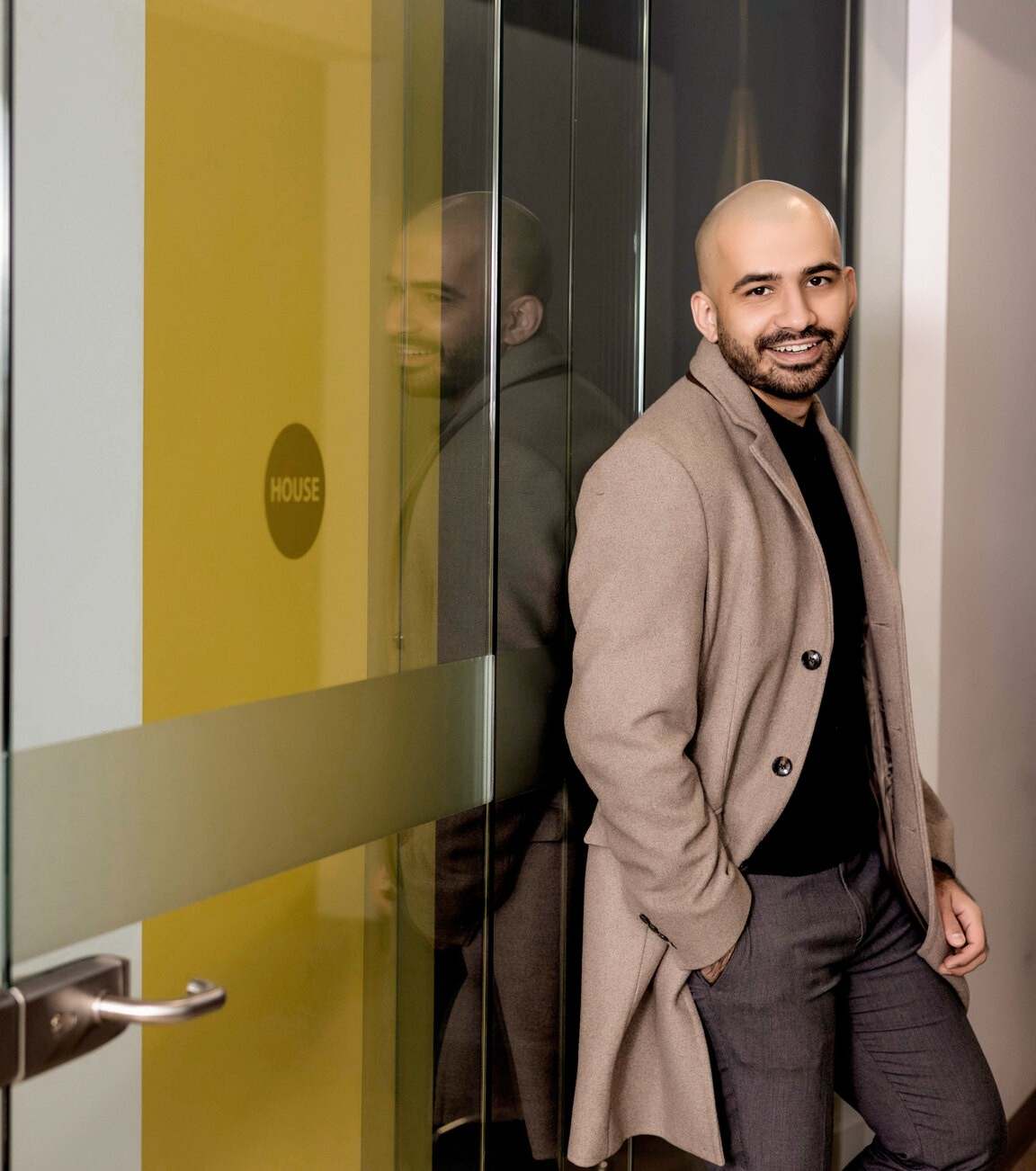
Ramin Karimi. Campaign Director. Toronto. Eleven years on one subject, inside agencies and in businesses of my own: how to get new customers. I make the read, name the arc, decide every change, and say the fuel before money moves. ORCAS is the company behind the work: the crew, the desk, the wiring, the pages.
Month one is the read: what I found in your market, the roads I killed, the one idea, the target from your own numbers, the fuel calculated. If you do not like how I decide, you stop there. Month one paid, nothing after.
That is the only guarantee. Never a result. The market answers on the number, at month three, against the target set in month one, both dates showing.
Not a category. A type of person. That person exists in every category, so the work stays horizontal.
Over a hundred ads and campaigns, run with real money, across sleep tech, ice baths, supplements, consumer tech and software. Six here. The rest are on Instagram, as they ran.


One number, every client. Inside it: the read, the target, the arc, the pieces, the pages, the emails, the launch, the run, the readings, my judgment and the whole crew. Creative count and page count never cost extra.
Outside it: the fuel, paid to Meta, worked on your own number before anything is signed. Taxes. Three months committed, then thirty days notice either way.
Yours is worked out before you sign, from your account, not from a call. If the number is impossible for you, better to know today than in month four.
What happens next: a call, all the questions, then the size-up. What I would do with your market, the fee, and the fuel on your number. Free. No access, no assets, nothing asked before you decide.
raminkarimi.ca · This page uses a Meta pixel so I can show you the work again later. Nothing else is collected.